
English| EUR
Suggested for you
More currencies
Choose a language
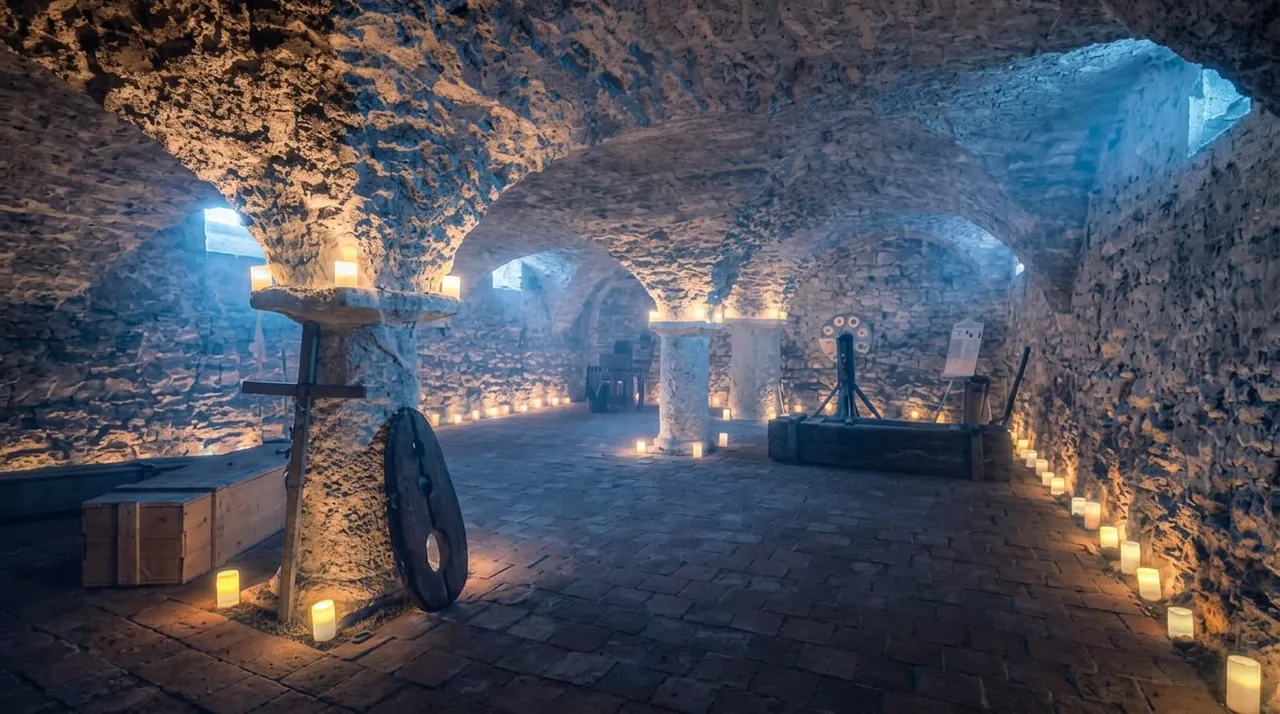
Prague's oldest drinking establishments occupy Gothic cellars and Romanesque crypts that predate the streets above them. These subterranean taverns preserve medieval architecture—rib vaults, stone columns, and brick arches—while serving beer beneath neighborhoods that have stood for eight centuries.
Quick answer
Underground bars in Prague are consumption-based establishments built into medieval cellars, most concentrated in Malá Strana and Staré Město. Entry is free; you pay only for drinks and food once inside. The stone-vaulted spaces operate year-round, with most venues opening between 11:00 and noon and closing near midnight on weekdays, slightly later on weekends. Arrive before 18:00 to secure seating in the historic cellar rooms before evening crowds fill the vaulted halls.
The medieval underground of Prague functions as a living archive of Romanesque and Gothic architecture, and several dozen taverns, wine cellars, and beer halls occupy these spaces today. Krčma Brabant, located on Thunovská street in Malá Strana, descends ten steps into a barrel-vaulted cellar dating to the 14th century. The stone walls retain chisel marks from the original excavation, and the low arches force even average-height visitors to duck when moving between rooms. Most underground bars in Prague were not purpose-built as taverns. The crypts and cellars served as storage chambers for merchant houses, monasteries, and guilds during the medieval period. When beer brewing moved to industrial-scale operations in the 19th century, building owners converted these forgotten spaces into public houses. The thick stone walls and subterranean position maintain a constant cool temperature—ideal for storing unpasteurized lager before refrigeration, and still valued by drinkers escaping summer heat or winter winds. Prague's subterranean drinking halls cluster within a ten-minute walk of Charles Bridge. Nerudova, Thunovská, and the lanes radiating from Malostranské náměstí hold the highest concentration of cellar bars accessible to visitors without reservations. The vaulted interiors vary in scale—some fit only twenty patrons beneath a single Gothic arch, while others extend through multiple chambers connected by low stone passages. Lighting remains deliberately dim, relying on candles, oil lamps, or low-wattage bulbs to preserve the medieval atmosphere. Consumption-based pricing governs nearly all cellar taverns. You walk in without paying an entrance fee, claim a table if available, and settle your bill when leaving. Czech lager dominates the taps, often accompanied by traditional dishes designed for the medieval setting: roasted meats, dark bread, aged cheeses, and pickled vegetables. The stone acoustics amplify conversation, and many venues prohibit amplified music to maintain the acoustic character of the vaulted chambers. Weekday afternoons offer the most reliable seating; Friday and Saturday evenings after 20:00 see standing-room crowds and waits for tables in the most popular crypts.
“The thick stone walls and subterranean position maintain a constant cool temperature—ideal for storing unpasteurized lager before refrigeration, and still valued by drinkers escaping summer heat or winter winds.”
The venue operates on a consistent weekly schedule, welcoming guests daily. Extended hours are available on Friday and Saturday evenings.
Access to these historical underground spaces does not require a cover charge. Costs are instead managed on a consumption-based model.
Verdict: A typical adult pays 0 CZK for entry, with total costs depending solely on individual food and drink consumption.
The establishment is located at Thunovská 198/15 in the Malá Strana district, nestled beneath the historic streets near Prague Castle. The most direct approach is via the Malostranské náměstí transport hub, followed by a short walk uphill.
Line A to Malostranská station
Lines 12, 15, 20, or 22 to Malostranské náměstí
From Malostranské náměstí via Thunovská street
Look for the historical entrance located directly on Thunovská street. Visiting between 11:00 and 18:00 is recommended to secure seating in the cellar spaces and avoid evening peak crowds.
To secure seating in the historical cellar spaces, the best arrival window is 11:00–18:00. Visiting during this time allows you to experience the atmosphere before the evening peak crowds arrive.
—
Early arrivals experience the quietest environment in the cellar. Best for those preferring a calm atmosphere.
—
Expect a gradual increase in guests as the day progresses. Arriving before 16:00 is advised.
5°C to 15°C; mild
November through February see fewer tourists in Prague. This makes mid-week cellar visits particularly comfortable.
15°C to 25°C; warm
Peak tourism season brings heavy foot traffic to Malá Strana. Prioritize early access to ensure table availability.
Verdict: The optimal time for a visit is Tuesday to Thursday between 11:00 and 18:00 during the shoulder months of April or October.
The historical underground cellar at Thunovská 198/15 is situated below ground level, requiring visitors to navigate a flight of stairs. Due to the preservation of these medieval structural elements, the venue is not accessible to wheelchair users.
The venue entrance requires descending 10 steps.
There is no alternative ground-level route into the cellar area.
No lift facilities are available for this historical site.
Restroom facilities are located within the underground space and are not wheelchair accessible.
Visiting between 11:00–18:00 provides a quieter environment with more available seating.
Navigating Prague’s underground social scene requires knowing how to balance historical authenticity with practical comfort.
Even in warmer months, the stone walls of underground spaces maintain a consistently cool temperature. Bringing a light layer ensures comfort during longer stays.
Many historical cellars host live period music or medieval-themed performances that alter the venue atmosphere. Check the official site to see if your visit aligns with these events.
Historical architecture often features uneven flooring and lower-than-average archways in the cellar levels. Move with caution when navigating between rooms to avoid head injuries.
While entry is free, these historical cellar spaces have limited capacity due to their layout. Contact +420602524725 in advance if you are visiting with a group to confirm availability.
These spaces are often designed with dedicated seating areas meant for table service rather than standing at the bar. Wait to be seated by staff to ensure you occupy a proper table in the main area.
Everything you need to know about underground bars in prague
Most of these historical venues are open to the public and operate as consumption-based establishments. While many underground bars in prague offer a unique atmosphere, they function primarily as dining or drinking spots rather than museums. Entrance is free, so you only pay for the refreshments you order during your stay. This policy applies throughout the week, though hours vary on weekends compared to weekdays. You will find that visiting underground bars in prague is best done between 11:00 and 18:00 to avoid evening crowds. This window allows you to secure a seat in the historical cellar spaces more easily. Planning your visit for these hours ensures a quieter experience before the night-time rush. Accessibility in these ancient stone cellars can be limited due to their architectural nature. Visitors should be prepared to navigate a short flight of 10 steps to reach the interior. If you have mobility concerns, keep this structure in mind when planning your route to these subterranean spots. Families are generally welcome in these establishments, though the environment can become more adult-oriented as the evening progresses. It is wise to bring children during the quieter daytime hours when the space is less crowded and more relaxed. Ensure you supervise younger visitors closely near any steep steps or uneven stone flooring. While you might seek underground bars in prague for a drink, our medieval underground tours provide a structured historical narrative about the city's foundations. These tours often explore different segments of the subterranean labyrinth that are not accessible via regular tavern entry. Booking a dedicated tour is the recommended way to learn about the architectural history of the Czech capital.